Buy memoire.eu ?
We are moving the project
memoire.eu .
Are you interested in purchasing the domain
memoire.eu ?
domain@kv-gmbh.de · 0541-91531010
Buy memoire.eu ?
What is Dutch vocal polyphony?
Dutch vocal polyphony is a style of music that emerged in the Netherlands during the Renaissance period. It is characterized by the use of multiple independent vocal lines, each with its own melody, rhythm, and text, creating rich harmonies and intricate textures. Dutch composers such as Jan Pieterszoon Sweelinck were known for their contributions to this genre, which was popular in both sacred and secular settings. The use of vocal polyphony allowed for a high level of expressiveness and complexity in the music, making it a significant part of the Dutch musical tradition. **
Can someone explain polyphony to me?
Polyphony is a musical texture that features two or more independent melodic lines played or sung simultaneously. Each line has its own rhythm and contour, and they interact with each other to create a rich and complex sound. Polyphony is often associated with Renaissance and Baroque music, and it requires a high level of skill and coordination from the performers to maintain the independence of the different voices. This texture contrasts with homophony, where all voices move together in harmony, and monophony, where there is only one melodic line. **

Similar search terms for Polyphony
Top-Angebote
Products related to Polyphony:
-
Jungle Way Creative Thoughts incense 15 gJungle Way Creative Thoughts, 15 g, Olibanum and incenses Home Scents, The Jungle Way Creative Thoughts incense will help you bring positive associations into your everyday life. Gentle smoke and harmonizing fragrances provide a powerful aromatherapy experience combined with a relaxing atmosphere. Turn your home into an oasis full of purifying fragrances which will help you find inner peace and forget about the stress of everyday life. Characteristics: a floral fragrance a herbal aroma a warm fragrance special insect repellent mixture dried herbs for insect repellent effect fills the room with a harmonizing fragrance How to use: Keep out of the reach of children and pets. Never leave incense with burning charcoal unattended. Always use incense specifically for burning. Extinguish with water. Follow the instructions included. Light the incense, let it burn for a moment, then blow it out. Always use in a well-ventilated room.10,03 £*Shipping: 3,99 £Secure redirect to the provider
-
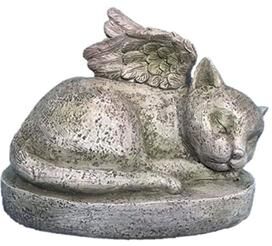
Inspire Curations Angel Cat Memorial Statue Resin Pet Remembrance Home Decor Angel Cat Memorial Statue Resin Pet Remembrance Home DecorHonor a love that never fades. This beautifully crafted angel cat memorial statue captures the quiet grace and unconditional bond shared with a beloved pet. Designed with delicate wings and a serene expression, this resin cat angel figurine offers...58,95 $*Shipping: 0,00 $Secure redirect to the provider
-
Touch of Class Secret Thoughts Table Sculpture Pink , PinkReflecting in silence with her eyes closed, this tranquil beauty is lost in her own Secret Thoughts. Made of resin, this table sculpture depicts a lady wearing a pastel pink dress with white-finished skin, face, hair, and base. Measures 5 Wx6.5 Dx19...74,99 $*Shipping: 0,00 $Secure redirect to the provider



-
Can you explain the history of early polyphony?
Early polyphony emerged in Western music during the medieval period, around the 9th century. It involved the simultaneous singing of two or more independent melodic lines. Initially, early polyphony was primarily found in sacred music, particularly in Gregorian chant. Over time, composers began to experiment with adding additional voices and creating more complex harmonies, leading to the development of intricate polyphonic compositions. This marked a significant shift from the monophonic music of the early Middle Ages and laid the foundation for the rich polyphonic textures of the Renaissance period. **
-
What is the difference between polyphony and homophony?
Polyphony is a musical texture where two or more independent melodic lines are played simultaneously. Each line has its own rhythm and melody, creating a complex and layered sound. Homophony, on the other hand, is a musical texture where all voices or instruments move together in harmony, supporting a single melody. In homophony, there is a clear distinction between the melody and the accompanying parts, creating a more unified and harmonious sound. **
-
What does polyphony mean in a digital piano?
Polyphony in a digital piano refers to the number of individual notes or voices that the instrument can produce simultaneously. For example, if a digital piano has a polyphony of 64, it means that it can play up to 64 notes at the same time. This is important for more complex pieces of music that require multiple notes to be played at once, as a higher polyphony allows for a richer and more realistic sound. It is especially important for advanced players and composers who need to create intricate and layered compositions. **
-
What is the difference between homophony and polyphony?
Homophony is a musical texture in which a single melody is supported by a harmonic accompaniment, creating a clear distinction between the main melody and the supporting harmonies. Polyphony, on the other hand, is a musical texture in which two or more independent melodies are played or sung simultaneously, creating a more complex and layered sound. In homophony, all voices or instruments move together rhythmically, while in polyphony, each voice or instrument has its own rhythm and melodic independence. Overall, homophony emphasizes harmony and a clear main melody, while polyphony emphasizes the interplay of multiple independent melodies. **


What is the difference between polyphony and canon?
Polyphony refers to a musical texture where two or more independent melodic lines are played simultaneously. Each line has its own rhythm and melody, creating a rich and complex sound. On the other hand, a canon is a specific type of polyphonic composition where a melody is imitated by one or more voices at a fixed time interval. In a canon, the same melody is repeated by different voices, creating a layered and contrapuntal effect. While both polyphony and canon involve multiple independent voices, the key difference lies in the specific imitation of a melody in a canon. **
What is the difference between musical polyphony and counterpoint?
Musical polyphony refers to the simultaneous combination of two or more independent melodic lines, creating a texture where multiple voices are heard at the same time. Counterpoint, on the other hand, is the technique of writing music in which two or more melodic lines are interwoven and interact with each other. In other words, counterpoint is a specific method of creating polyphony, focusing on the relationship and interaction between the different melodic lines. While polyphony is a broader concept that encompasses any music with multiple independent voices, counterpoint specifically refers to the rules and techniques for writing and organizing those voices. **
Top-Angebote
Products related to Polyphony:
-
Gold 'Thoughts' Lined NotebookKeep your ideas stylishly organised with the Gold 'Thoughts' Lined Notebook. Featuring a sleek gold cover with subtle texture and the word “Thoughts” embossed on the front, this notebook is perfect for jotting down notes, plans, or reflections. The lined pages provide structure for easy writing, making it ideal for everyday use. Elegant and practical, it’s a beautiful addition to your desk, handbag, or bedside table—perfect for gifting or treating yourself. Dimensions: 15x20cm11,99 £*Shipping: 4,99 £Secure redirect to the provider
-
Santas Workshop Inc "7.5"" Remembrance Kitty"Pay tribute to the special bond shared between you and your favorite feline with this wonderful kitty angel statue. Built to last from weather resistant resin, this beautiful remembrance kitty will provide many seasons of enjoyment.31,59 $*Shipping: 0,00 $Secure redirect to the provider
-
Jungle Way Creative Thoughts incense 15 gJungle Way Creative Thoughts, 15 g, Olibanum and incenses Home Scents, The Jungle Way Creative Thoughts incense will help you bring positive associations into your everyday life. Gentle smoke and harmonizing fragrances provide a powerful aromatherapy experience combined with a relaxing atmosphere. Turn your home into an oasis full of purifying fragrances which will help you find inner peace and forget about the stress of everyday life. Characteristics: a floral fragrance a herbal aroma a warm fragrance special insect repellent mixture dried herbs for insect repellent effect fills the room with a harmonizing fragrance How to use: Keep out of the reach of children and pets. Never leave incense with burning charcoal unattended. Always use incense specifically for burning. Extinguish with water. Follow the instructions included. Light the incense, let it burn for a moment, then blow it out. Always use in a well-ventilated room.10,03 £*Shipping: 3,99 £Secure redirect to the provider
-
What is Dutch vocal polyphony?
Dutch vocal polyphony is a style of music that emerged in the Netherlands during the Renaissance period. It is characterized by the use of multiple independent vocal lines, each with its own melody, rhythm, and text, creating rich harmonies and intricate textures. Dutch composers such as Jan Pieterszoon Sweelinck were known for their contributions to this genre, which was popular in both sacred and secular settings. The use of vocal polyphony allowed for a high level of expressiveness and complexity in the music, making it a significant part of the Dutch musical tradition. **
-
Can someone explain polyphony to me?
Polyphony is a musical texture that features two or more independent melodic lines played or sung simultaneously. Each line has its own rhythm and contour, and they interact with each other to create a rich and complex sound. Polyphony is often associated with Renaissance and Baroque music, and it requires a high level of skill and coordination from the performers to maintain the independence of the different voices. This texture contrasts with homophony, where all voices move together in harmony, and monophony, where there is only one melodic line. **
-
Can you explain the history of early polyphony?
Early polyphony emerged in Western music during the medieval period, around the 9th century. It involved the simultaneous singing of two or more independent melodic lines. Initially, early polyphony was primarily found in sacred music, particularly in Gregorian chant. Over time, composers began to experiment with adding additional voices and creating more complex harmonies, leading to the development of intricate polyphonic compositions. This marked a significant shift from the monophonic music of the early Middle Ages and laid the foundation for the rich polyphonic textures of the Renaissance period. **
-
What is the difference between polyphony and homophony?
Polyphony is a musical texture where two or more independent melodic lines are played simultaneously. Each line has its own rhythm and melody, creating a complex and layered sound. Homophony, on the other hand, is a musical texture where all voices or instruments move together in harmony, supporting a single melody. In homophony, there is a clear distinction between the melody and the accompanying parts, creating a more unified and harmonious sound. **
Similar search terms for Polyphony
-
Inspire Curations Angel Cat Memorial Statue Resin Pet Remembrance Home Decor Angel Cat Memorial Statue Resin Pet Remembrance Home DecorHonor a love that never fades. This beautifully crafted angel cat memorial statue captures the quiet grace and unconditional bond shared with a beloved pet. Designed with delicate wings and a serene expression, this resin cat angel figurine offers...58,95 $*Shipping: 0,00 $Secure redirect to the provider
-
Touch of Class Secret Thoughts Table Sculpture Pink , PinkReflecting in silence with her eyes closed, this tranquil beauty is lost in her own Secret Thoughts. Made of resin, this table sculpture depicts a lady wearing a pastel pink dress with white-finished skin, face, hair, and base. Measures 5 Wx6.5 Dx19...74,99 $*Shipping: 0,00 $Secure redirect to the provider
-
Summersdale Publishers Inspiration: Thoughts and Quotations for Every DayImmerse yourself in the words of the world’s best writers, leaders and thinkers with this beautiful book of motivational words and quotes. Inspire your heart, free your mind, and bask in the glow of positive thinking.4,99 £*Shipping: 1,99 £Secure redirect to the provider
-
Marvelous Europe Ys Memoire: Revelations in Celceta - Action Role-Playing Game for Nintendo SwitchRediscover Adol's lost adventure in Ys Memoire: Revelations in Celceta for Nintendo Switch. After awakening with little more than his name, adventurer Adol Christin joins the thief Duren to explore the Great Forest and recover the memories hidden within its dangerous reaches. Explore the untamed land of Celceta, build a detailed map as you uncover settlements, ruins, and treacherous wilderness. Engage in fast-paced, party-based combat, switching between characters and adapting your tactics to different enemies. Each ally brings distinct abilities to encounters, adding variety to exploration and battles. This action role-playing adventure for Nintendo Switch features a newly arranged soundtrack option and a physical game card.38,74 £*Shipping: 3,95 £Secure redirect to the provider
-
What does polyphony mean in a digital piano?
Polyphony in a digital piano refers to the number of individual notes or voices that the instrument can produce simultaneously. For example, if a digital piano has a polyphony of 64, it means that it can play up to 64 notes at the same time. This is important for more complex pieces of music that require multiple notes to be played at once, as a higher polyphony allows for a richer and more realistic sound. It is especially important for advanced players and composers who need to create intricate and layered compositions. **
-
What is the difference between homophony and polyphony?
Homophony is a musical texture in which a single melody is supported by a harmonic accompaniment, creating a clear distinction between the main melody and the supporting harmonies. Polyphony, on the other hand, is a musical texture in which two or more independent melodies are played or sung simultaneously, creating a more complex and layered sound. In homophony, all voices or instruments move together rhythmically, while in polyphony, each voice or instrument has its own rhythm and melodic independence. Overall, homophony emphasizes harmony and a clear main melody, while polyphony emphasizes the interplay of multiple independent melodies. **
-
What is the difference between polyphony and canon?
Polyphony refers to a musical texture where two or more independent melodic lines are played simultaneously. Each line has its own rhythm and melody, creating a rich and complex sound. On the other hand, a canon is a specific type of polyphonic composition where a melody is imitated by one or more voices at a fixed time interval. In a canon, the same melody is repeated by different voices, creating a layered and contrapuntal effect. While both polyphony and canon involve multiple independent voices, the key difference lies in the specific imitation of a melody in a canon. **
-
What is the difference between musical polyphony and counterpoint?
Musical polyphony refers to the simultaneous combination of two or more independent melodic lines, creating a texture where multiple voices are heard at the same time. Counterpoint, on the other hand, is the technique of writing music in which two or more melodic lines are interwoven and interact with each other. In other words, counterpoint is a specific method of creating polyphony, focusing on the relationship and interaction between the different melodic lines. While polyphony is a broader concept that encompasses any music with multiple independent voices, counterpoint specifically refers to the rules and techniques for writing and organizing those voices. **
* All prices are inclusive of VAT and, if applicable, plus shipping costs. The offer information is based on the details provided by the respective shop and is updated through automated processes. Real-time updates do not occur, so deviations can occur in individual cases. ** Note: Parts of this content were created by AI.