Buy memoire.eu ?
We are moving the project
memoire.eu .
Are you interested in purchasing the domain
memoire.eu ?
domain@kv-gmbh.de · 0541-91531010
Buy memoire.eu ?
How does the German unification in the 19th century differ from the Italian unification?
The German unification in the 19th century was primarily driven by the leadership of Prussia under Otto von Bismarck, who used a combination of diplomacy and warfare to unify the German states. In contrast, the Italian unification was led by several key figures such as Giuseppe Garibaldi and Count Camillo di Cavour, and involved a series of military campaigns and uprisings to unify the Italian states. Additionally, the German unification resulted in the creation of a powerful, centralized German Empire, while the Italian unification led to the establishment of a constitutional monarchy under King Victor Emmanuel II. **
Have the Wars of Unification changed nationalism?
Yes, the Wars of Unification have changed nationalism by promoting a sense of unity and pride among the people of the newly unified nations. These wars helped to solidify the idea of a shared national identity and common goals, leading to a stronger sense of nationalism. Additionally, the victories in these wars often fueled a sense of superiority and exceptionalism among the citizens of the unified nations. Overall, the Wars of Unification played a significant role in shaping and strengthening nationalist sentiments in the countries involved. **

Similar search terms for Unification
Top-Angebote
Products related to Unification:
-
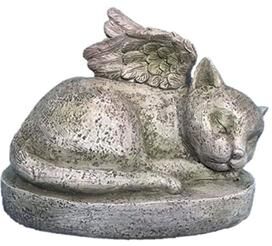
Santas Workshop Inc "7.5"" Remembrance Kitty"Pay tribute to the special bond shared between you and your favorite feline with this wonderful kitty angel statue. Built to last from weather resistant resin, this beautiful remembrance kitty will provide many seasons of enjoyment.31,59 $*Shipping: 0,00 $Secure redirect to the provider
-
Inspire Curations Angel Cat Memorial Statue Resin Pet Remembrance Home Decor Angel Cat Memorial Statue Resin Pet Remembrance Home DecorHonor a love that never fades. This beautifully crafted angel cat memorial statue captures the quiet grace and unconditional bond shared with a beloved pet. Designed with delicate wings and a serene expression, this resin cat angel figurine offers...58,95 $*Shipping: 0,00 $Secure redirect to the provider
-
Jungle Way Creative Thoughts incense 15 gJungle Way Creative Thoughts, 15 g, Olibanum and incenses Home Scents, The Jungle Way Creative Thoughts incense will help you bring positive associations into your everyday life. Gentle smoke and harmonizing fragrances provide a powerful aromatherapy experience combined with a relaxing atmosphere. Turn your home into an oasis full of purifying fragrances which will help you find inner peace and forget about the stress of everyday life. Characteristics: a floral fragrance a herbal aroma a warm fragrance special insect repellent mixture dried herbs for insect repellent effect fills the room with a harmonizing fragrance How to use: Keep out of the reach of children and pets. Never leave incense with burning charcoal unattended. Always use incense specifically for burning. Extinguish with water. Follow the instructions included. Light the incense, let it burn for a moment, then blow it out. Always use in a well-ventilated room.11,80 £*Shipping: 3,99 £Secure redirect to the provider



-
Did the Wars of Unification change nationalism?
Yes, the Wars of Unification played a significant role in changing nationalism. These wars, such as the Italian and German unifications in the 19th century, helped to strengthen national identities and create unified nations. The victories in these wars fueled a sense of national pride and solidarity among the people, leading to a stronger sense of nationalism. Additionally, the successful unifications demonstrated the power of nationalism as a unifying force in achieving political goals. **
-
What were the consequences of the German unification?
The consequences of German unification were both positive and negative. On the positive side, it led to the creation of a powerful and economically strong nation in the heart of Europe. It also brought about a sense of national identity and pride among the German people. However, the unification also led to tensions with neighboring countries, particularly France, and raised concerns about the balance of power in Europe. Additionally, the process of unification resulted in economic and social challenges, as the former East Germany struggled to catch up with the more prosperous West. **
-
Is the Unification Church a cult or not?
The classification of the Unification Church as a cult is a matter of debate and controversy. Some critics and former members have labeled it as a cult due to its unconventional beliefs, strict hierarchical structure, and the charismatic leadership of its founder, Sun Myung Moon. However, the Unification Church itself rejects the label of cult and instead considers itself a legitimate religious movement. Ultimately, whether the Unification Church is considered a cult or not depends on one's perspective and interpretation of its teachings and practices. **
-
Was European unification a financial gain for Germany?
European unification has been a financial gain for Germany in many ways. As the largest and most powerful economy in the European Union, Germany has benefited from increased trade and investment opportunities within the EU. The single currency, the Euro, has also made it easier for German businesses to conduct transactions with other European countries. Additionally, EU funding and subsidies have supported infrastructure and development projects in Germany. However, it is important to note that European unification has also brought about financial responsibilities for Germany, such as contributing to the EU budget and providing financial assistance to struggling member states. Overall, while there have been costs associated with European unification, the economic benefits for Germany have been significant. **


What happened during the German unification in 1871?
During the German unification in 1871, the various independent German states were brought together under the leadership of Prussia. This unification was achieved through a series of wars and diplomatic negotiations, culminating in the proclamation of the German Empire at the Palace of Versailles. Otto von Bismarck, the Chancellor of Prussia, played a key role in orchestrating the unification process. The new German Empire was headed by the King of Prussia, who became the Emperor of Germany, and it marked a significant shift in the balance of power in Europe. **
What is the definition of the Wars of Unification?
The Wars of Unification refer to a series of conflicts and military campaigns that took place in the 19th century with the goal of unifying separate states or regions into a single nation. These wars typically involved a dominant power seeking to bring together smaller states or territories under its control through conquest or diplomacy. Examples of Wars of Unification include the unification of Italy led by figures like Giuseppe Garibaldi and Count Cavour, as well as the unification of Germany under the leadership of Otto von Bismarck. **
Top-Angebote
Products related to Unification:
-
Gold 'Thoughts' Lined NotebookKeep your ideas stylishly organised with the Gold 'Thoughts' Lined Notebook. Featuring a sleek gold cover with subtle texture and the word “Thoughts” embossed on the front, this notebook is perfect for jotting down notes, plans, or reflections. The lined pages provide structure for easy writing, making it ideal for everyday use. Elegant and practical, it’s a beautiful addition to your desk, handbag, or bedside table—perfect for gifting or treating yourself. Dimensions: 15x20cm11,99 £*Shipping: 4,99 £Secure redirect to the provider
-
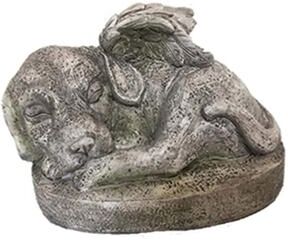
Santas Workshop Inc "7.5"" Remembrance Doggy"Pay tribute to the special bond shared between you and your faithful dog with this wonderful doggy angel statue. Built to last from weather resistant resin, this beautiful remembrance doggy will provide many seasons of enjoyment.34,49 $*Shipping: 0,00 $Secure redirect to the provider
-
Santas Workshop Inc "7.5"" Remembrance Kitty"Pay tribute to the special bond shared between you and your favorite feline with this wonderful kitty angel statue. Built to last from weather resistant resin, this beautiful remembrance kitty will provide many seasons of enjoyment.31,59 $*Shipping: 0,00 $Secure redirect to the provider
-
How does the German unification in the 19th century differ from the Italian unification?
The German unification in the 19th century was primarily driven by the leadership of Prussia under Otto von Bismarck, who used a combination of diplomacy and warfare to unify the German states. In contrast, the Italian unification was led by several key figures such as Giuseppe Garibaldi and Count Camillo di Cavour, and involved a series of military campaigns and uprisings to unify the Italian states. Additionally, the German unification resulted in the creation of a powerful, centralized German Empire, while the Italian unification led to the establishment of a constitutional monarchy under King Victor Emmanuel II. **
-
Have the Wars of Unification changed nationalism?
Yes, the Wars of Unification have changed nationalism by promoting a sense of unity and pride among the people of the newly unified nations. These wars helped to solidify the idea of a shared national identity and common goals, leading to a stronger sense of nationalism. Additionally, the victories in these wars often fueled a sense of superiority and exceptionalism among the citizens of the unified nations. Overall, the Wars of Unification played a significant role in shaping and strengthening nationalist sentiments in the countries involved. **
-
Did the Wars of Unification change nationalism?
Yes, the Wars of Unification played a significant role in changing nationalism. These wars, such as the Italian and German unifications in the 19th century, helped to strengthen national identities and create unified nations. The victories in these wars fueled a sense of national pride and solidarity among the people, leading to a stronger sense of nationalism. Additionally, the successful unifications demonstrated the power of nationalism as a unifying force in achieving political goals. **
-
What were the consequences of the German unification?
The consequences of German unification were both positive and negative. On the positive side, it led to the creation of a powerful and economically strong nation in the heart of Europe. It also brought about a sense of national identity and pride among the German people. However, the unification also led to tensions with neighboring countries, particularly France, and raised concerns about the balance of power in Europe. Additionally, the process of unification resulted in economic and social challenges, as the former East Germany struggled to catch up with the more prosperous West. **
Similar search terms for Unification
-
Inspire Curations Angel Cat Memorial Statue Resin Pet Remembrance Home Decor Angel Cat Memorial Statue Resin Pet Remembrance Home DecorHonor a love that never fades. This beautifully crafted angel cat memorial statue captures the quiet grace and unconditional bond shared with a beloved pet. Designed with delicate wings and a serene expression, this resin cat angel figurine offers...58,95 $*Shipping: 0,00 $Secure redirect to the provider
-
Jungle Way Creative Thoughts incense 15 gJungle Way Creative Thoughts, 15 g, Olibanum and incenses Home Scents, The Jungle Way Creative Thoughts incense will help you bring positive associations into your everyday life. Gentle smoke and harmonizing fragrances provide a powerful aromatherapy experience combined with a relaxing atmosphere. Turn your home into an oasis full of purifying fragrances which will help you find inner peace and forget about the stress of everyday life. Characteristics: a floral fragrance a herbal aroma a warm fragrance special insect repellent mixture dried herbs for insect repellent effect fills the room with a harmonizing fragrance How to use: Keep out of the reach of children and pets. Never leave incense with burning charcoal unattended. Always use incense specifically for burning. Extinguish with water. Follow the instructions included. Light the incense, let it burn for a moment, then blow it out. Always use in a well-ventilated room.11,80 £*Shipping: 3,99 £Secure redirect to the provider
-
Touch of Class Secret Thoughts Table Sculpture Pink , PinkReflecting in silence with her eyes closed, this tranquil beauty is lost in her own Secret Thoughts. Made of resin, this table sculpture depicts a lady wearing a pastel pink dress with white-finished skin, face, hair, and base. Measures 5 Wx6.5 Dx19...74,99 $*Shipping: 0,00 $Secure redirect to the provider
-
Summersdale Publishers Inspiration: Thoughts and Quotations for Every DayImmerse yourself in the words of the world’s best writers, leaders and thinkers with this beautiful book of motivational words and quotes. Inspire your heart, free your mind, and bask in the glow of positive thinking.4,99 £*Shipping: 1,99 £Secure redirect to the provider
-
Is the Unification Church a cult or not?
The classification of the Unification Church as a cult is a matter of debate and controversy. Some critics and former members have labeled it as a cult due to its unconventional beliefs, strict hierarchical structure, and the charismatic leadership of its founder, Sun Myung Moon. However, the Unification Church itself rejects the label of cult and instead considers itself a legitimate religious movement. Ultimately, whether the Unification Church is considered a cult or not depends on one's perspective and interpretation of its teachings and practices. **
-
Was European unification a financial gain for Germany?
European unification has been a financial gain for Germany in many ways. As the largest and most powerful economy in the European Union, Germany has benefited from increased trade and investment opportunities within the EU. The single currency, the Euro, has also made it easier for German businesses to conduct transactions with other European countries. Additionally, EU funding and subsidies have supported infrastructure and development projects in Germany. However, it is important to note that European unification has also brought about financial responsibilities for Germany, such as contributing to the EU budget and providing financial assistance to struggling member states. Overall, while there have been costs associated with European unification, the economic benefits for Germany have been significant. **
-
What happened during the German unification in 1871?
During the German unification in 1871, the various independent German states were brought together under the leadership of Prussia. This unification was achieved through a series of wars and diplomatic negotiations, culminating in the proclamation of the German Empire at the Palace of Versailles. Otto von Bismarck, the Chancellor of Prussia, played a key role in orchestrating the unification process. The new German Empire was headed by the King of Prussia, who became the Emperor of Germany, and it marked a significant shift in the balance of power in Europe. **
-
What is the definition of the Wars of Unification?
The Wars of Unification refer to a series of conflicts and military campaigns that took place in the 19th century with the goal of unifying separate states or regions into a single nation. These wars typically involved a dominant power seeking to bring together smaller states or territories under its control through conquest or diplomacy. Examples of Wars of Unification include the unification of Italy led by figures like Giuseppe Garibaldi and Count Cavour, as well as the unification of Germany under the leadership of Otto von Bismarck. **
* All prices are inclusive of VAT and, if applicable, plus shipping costs. The offer information is based on the details provided by the respective shop and is updated through automated processes. Real-time updates do not occur, so deviations can occur in individual cases. ** Note: Parts of this content were created by AI.