Buy memoire.eu ?
We are moving the project
memoire.eu .
Are you interested in purchasing the domain
memoire.eu ?
domain@kv-gmbh.de · 0541-91531010
Buy memoire.eu ?
What are compulsive disorders, obsessive thoughts, and compulsive actions?
Compulsive disorders are mental health conditions characterized by the presence of obsessive thoughts and compulsive actions. Obsessive thoughts are persistent, intrusive, and unwanted thoughts that cause distress or anxiety. Compulsive actions are repetitive behaviors or rituals that a person feels driven to perform in response to their obsessive thoughts, in order to alleviate the anxiety or distress. These disorders can significantly interfere with daily functioning and can be difficult to control without professional help. **
Can you write about adjustment disorders and obsessive thoughts?
Adjustment disorders are psychological conditions that occur in response to a stressful event or change in one's life. They can manifest as emotional or behavioral symptoms, such as anxiety, depression, or difficulty concentrating. Obsessive thoughts, on the other hand, are persistent and intrusive thoughts that cause distress and anxiety. These thoughts can be related to a wide range of topics, such as cleanliness, safety, or relationships. In some cases, adjustment disorders can lead to obsessive thoughts as a way of coping with the stress and uncertainty of the situation. It's important for individuals experiencing these symptoms to seek professional help in order to address and manage their condition effectively. **


Similar search terms for Disorders
Top-Angebote
Products related to Disorders:
-
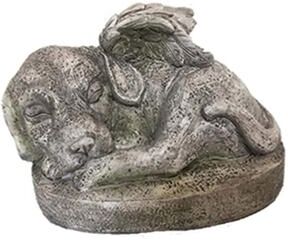
Santas Workshop Inc "7.5"" Remembrance Doggy"Pay tribute to the special bond shared between you and your faithful dog with this wonderful doggy angel statue. Built to last from weather resistant resin, this beautiful remembrance doggy will provide many seasons of enjoyment.34,49 $*Shipping: 0,00 $Secure redirect to the provider
-
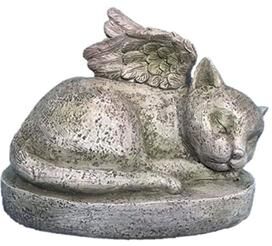
Santas Workshop Inc "7.5"" Remembrance Kitty"Pay tribute to the special bond shared between you and your favorite feline with this wonderful kitty angel statue. Built to last from weather resistant resin, this beautiful remembrance kitty will provide many seasons of enjoyment.31,59 $*Shipping: 0,00 $Secure redirect to the provider
-
Inspire Curations Angel Cat Memorial Statue Resin Pet Remembrance Home Decor Angel Cat Memorial Statue Resin Pet Remembrance Home DecorHonor a love that never fades. This beautifully crafted angel cat memorial statue captures the quiet grace and unconditional bond shared with a beloved pet. Designed with delicate wings and a serene expression, this resin cat angel figurine offers...58,95 $*Shipping: 0,00 $Secure redirect to the provider


-
Do antidepressants help with concentration problems and memory disorders?
Antidepressants are primarily used to treat symptoms of depression and anxiety, and while they may indirectly improve concentration and memory by alleviating these symptoms, they are not specifically designed to target these cognitive issues. Some individuals may experience improved focus and cognitive function as a result of their improved mental health while taking antidepressants, but it is not a guaranteed outcome. It is important to consult with a healthcare provider to determine the best course of treatment for concentration problems and memory disorders. **
-
What can be done against obsessive thoughts and compulsive disorders?
Obsessive thoughts and compulsive disorders can be treated through a combination of therapy, medication, and lifestyle changes. Cognitive-behavioral therapy (CBT) is often used to help individuals identify and challenge their negative thought patterns and behaviors. Medications such as selective serotonin reuptake inhibitors (SSRIs) can also be prescribed to help manage symptoms. Additionally, practicing stress-reducing techniques, maintaining a healthy lifestyle, and seeking support from loved ones can all be beneficial in managing obsessive thoughts and compulsive behaviors. **
-
What can be done against intrusive thoughts or anxiety disorders?
There are several strategies that can help manage intrusive thoughts or anxiety disorders. Cognitive-behavioral therapy (CBT) can be effective in identifying and challenging negative thought patterns. Mindfulness techniques, such as deep breathing or meditation, can help individuals stay grounded in the present moment and reduce anxiety. Seeking support from a therapist or counselor can also provide guidance and coping strategies for managing intrusive thoughts and anxiety disorders. Additionally, practicing self-care activities, such as exercise, healthy eating, and getting enough sleep, can contribute to overall well-being and reduce symptoms of anxiety. **
-
What can be done about obsessive thoughts or anxiety disorders?
Obsessive thoughts and anxiety disorders can be managed through a combination of therapy, medication, and self-care techniques. Cognitive-behavioral therapy (CBT) is often used to help individuals identify and challenge their negative thought patterns. Medications such as selective serotonin reuptake inhibitors (SSRIs) or benzodiazepines may be prescribed by a healthcare professional to help alleviate symptoms. Additionally, practicing mindfulness, engaging in regular exercise, and maintaining a healthy lifestyle can also help reduce obsessive thoughts and anxiety. It's important to seek professional help and develop a personalized treatment plan that addresses individual needs. **


What triggers eating disorders, also known as Eating Disorders?
Eating disorders can be triggered by a combination of genetic, biological, psychological, environmental, and social factors. These disorders often develop as a coping mechanism for dealing with stress, trauma, low self-esteem, or societal pressure to achieve a certain body image. Additionally, dieting, negative body image, and a history of weight-related teasing or bullying can also contribute to the development of eating disorders. It is important to seek professional help if you or someone you know is struggling with disordered eating habits. **
Are coordination disorders and balance disorders the same thing?
No, coordination disorders and balance disorders are not the same thing. Coordination disorders refer to difficulties in coordinating movements, such as fine motor skills or hand-eye coordination. On the other hand, balance disorders refer to difficulties in maintaining an upright posture and steadiness. While they can both impact a person's ability to move and function, they are distinct conditions with different symptoms and causes. **
Top-Angebote
Products related to Disorders:
-
Hammersmith Health Books Hope with Eating Disorders Second Edition: A self-help guide for parents, carers and friends of sufferers by Lynn CrillySince the first edition of Hope with Eating Disorders was published in 2012, eating disorders have become more widely recognised and treatments have progressed, as have attitudes to this most dangerous of mental health problems. In this second edition, which maintains Lynn Crilly's warm, non-judgemental, family-friendly approach, the more recently recognised eating disorders have been included, the range of treatment options - both mainstream and alternative - has been fully reviewed and revised, and the impact of social and technological change has been fully accommodated, with the role of social media for good and ill to the fore. New case histories highlight key issues, and throughout all references to research and stats have been reviewed and updated. Men's eating disorders are now addressed by contributing author Dr Russell Delderfield. Since originally writing Hope with Eating Disorders, Lynn has experienced seven years of counselling practice and seven years of her own daughter's recovery from an eating disorder and obsessive compulsive disorder, underpinning her realistic insight into what recovery actually is and means. Hope with Eating Disorders is a practical, supportive guide for anyone helping someone with an eating disorder be they a family member, teacher, sports coach, workplace colleague or friend.14,99 £*Shipping: 2,99 £Secure redirect to the provider
-
Gold 'Thoughts' Lined NotebookKeep your ideas stylishly organised with the Gold 'Thoughts' Lined Notebook. Featuring a sleek gold cover with subtle texture and the word “Thoughts” embossed on the front, this notebook is perfect for jotting down notes, plans, or reflections. The lined pages provide structure for easy writing, making it ideal for everyday use. Elegant and practical, it’s a beautiful addition to your desk, handbag, or bedside table—perfect for gifting or treating yourself. Dimensions: 15x20cm11,99 £*Shipping: 4,99 £Secure redirect to the provider
-
Santas Workshop Inc "7.5"" Remembrance Doggy"Pay tribute to the special bond shared between you and your faithful dog with this wonderful doggy angel statue. Built to last from weather resistant resin, this beautiful remembrance doggy will provide many seasons of enjoyment.34,49 $*Shipping: 0,00 $Secure redirect to the provider
-
Santas Workshop Inc "7.5"" Remembrance Kitty"Pay tribute to the special bond shared between you and your favorite feline with this wonderful kitty angel statue. Built to last from weather resistant resin, this beautiful remembrance kitty will provide many seasons of enjoyment.31,59 $*Shipping: 0,00 $Secure redirect to the provider
-
What are compulsive disorders, obsessive thoughts, and compulsive actions?
Compulsive disorders are mental health conditions characterized by the presence of obsessive thoughts and compulsive actions. Obsessive thoughts are persistent, intrusive, and unwanted thoughts that cause distress or anxiety. Compulsive actions are repetitive behaviors or rituals that a person feels driven to perform in response to their obsessive thoughts, in order to alleviate the anxiety or distress. These disorders can significantly interfere with daily functioning and can be difficult to control without professional help. **
-
Can you write about adjustment disorders and obsessive thoughts?
Adjustment disorders are psychological conditions that occur in response to a stressful event or change in one's life. They can manifest as emotional or behavioral symptoms, such as anxiety, depression, or difficulty concentrating. Obsessive thoughts, on the other hand, are persistent and intrusive thoughts that cause distress and anxiety. These thoughts can be related to a wide range of topics, such as cleanliness, safety, or relationships. In some cases, adjustment disorders can lead to obsessive thoughts as a way of coping with the stress and uncertainty of the situation. It's important for individuals experiencing these symptoms to seek professional help in order to address and manage their condition effectively. **
-
Do antidepressants help with concentration problems and memory disorders?
Antidepressants are primarily used to treat symptoms of depression and anxiety, and while they may indirectly improve concentration and memory by alleviating these symptoms, they are not specifically designed to target these cognitive issues. Some individuals may experience improved focus and cognitive function as a result of their improved mental health while taking antidepressants, but it is not a guaranteed outcome. It is important to consult with a healthcare provider to determine the best course of treatment for concentration problems and memory disorders. **
-
What can be done against obsessive thoughts and compulsive disorders?
Obsessive thoughts and compulsive disorders can be treated through a combination of therapy, medication, and lifestyle changes. Cognitive-behavioral therapy (CBT) is often used to help individuals identify and challenge their negative thought patterns and behaviors. Medications such as selective serotonin reuptake inhibitors (SSRIs) can also be prescribed to help manage symptoms. Additionally, practicing stress-reducing techniques, maintaining a healthy lifestyle, and seeking support from loved ones can all be beneficial in managing obsessive thoughts and compulsive behaviors. **
Similar search terms for Disorders
-
Inspire Curations Angel Cat Memorial Statue Resin Pet Remembrance Home Decor Angel Cat Memorial Statue Resin Pet Remembrance Home DecorHonor a love that never fades. This beautifully crafted angel cat memorial statue captures the quiet grace and unconditional bond shared with a beloved pet. Designed with delicate wings and a serene expression, this resin cat angel figurine offers...58,95 $*Shipping: 0,00 $Secure redirect to the provider
-
Jungle Way Creative Thoughts incense 15 gJungle Way Creative Thoughts, 15 g, Olibanum and incenses Home Scents, The Jungle Way Creative Thoughts incense will help you bring positive associations into your everyday life. Gentle smoke and harmonizing fragrances provide a powerful aromatherapy experience combined with a relaxing atmosphere. Turn your home into an oasis full of purifying fragrances which will help you find inner peace and forget about the stress of everyday life. Characteristics: a floral fragrance a herbal aroma a warm fragrance special insect repellent mixture dried herbs for insect repellent effect fills the room with a harmonizing fragrance How to use: Keep out of the reach of children and pets. Never leave incense with burning charcoal unattended. Always use incense specifically for burning. Extinguish with water. Follow the instructions included. Light the incense, let it burn for a moment, then blow it out. Always use in a well-ventilated room.11,80 £*Shipping: 3,99 £Secure redirect to the provider
-
Touch of Class Secret Thoughts Table Sculpture Pink , PinkReflecting in silence with her eyes closed, this tranquil beauty is lost in her own Secret Thoughts. Made of resin, this table sculpture depicts a lady wearing a pastel pink dress with white-finished skin, face, hair, and base. Measures 5 Wx6.5 Dx19...74,99 $*Shipping: 0,00 $Secure redirect to the provider
-
What can be done against intrusive thoughts or anxiety disorders?
There are several strategies that can help manage intrusive thoughts or anxiety disorders. Cognitive-behavioral therapy (CBT) can be effective in identifying and challenging negative thought patterns. Mindfulness techniques, such as deep breathing or meditation, can help individuals stay grounded in the present moment and reduce anxiety. Seeking support from a therapist or counselor can also provide guidance and coping strategies for managing intrusive thoughts and anxiety disorders. Additionally, practicing self-care activities, such as exercise, healthy eating, and getting enough sleep, can contribute to overall well-being and reduce symptoms of anxiety. **
-
What can be done about obsessive thoughts or anxiety disorders?
Obsessive thoughts and anxiety disorders can be managed through a combination of therapy, medication, and self-care techniques. Cognitive-behavioral therapy (CBT) is often used to help individuals identify and challenge their negative thought patterns. Medications such as selective serotonin reuptake inhibitors (SSRIs) or benzodiazepines may be prescribed by a healthcare professional to help alleviate symptoms. Additionally, practicing mindfulness, engaging in regular exercise, and maintaining a healthy lifestyle can also help reduce obsessive thoughts and anxiety. It's important to seek professional help and develop a personalized treatment plan that addresses individual needs. **
-
What triggers eating disorders, also known as Eating Disorders?
Eating disorders can be triggered by a combination of genetic, biological, psychological, environmental, and social factors. These disorders often develop as a coping mechanism for dealing with stress, trauma, low self-esteem, or societal pressure to achieve a certain body image. Additionally, dieting, negative body image, and a history of weight-related teasing or bullying can also contribute to the development of eating disorders. It is important to seek professional help if you or someone you know is struggling with disordered eating habits. **
-
Are coordination disorders and balance disorders the same thing?
No, coordination disorders and balance disorders are not the same thing. Coordination disorders refer to difficulties in coordinating movements, such as fine motor skills or hand-eye coordination. On the other hand, balance disorders refer to difficulties in maintaining an upright posture and steadiness. While they can both impact a person's ability to move and function, they are distinct conditions with different symptoms and causes. **
* All prices are inclusive of VAT and, if applicable, plus shipping costs. The offer information is based on the details provided by the respective shop and is updated through automated processes. Real-time updates do not occur, so deviations can occur in individual cases. ** Note: Parts of this content were created by AI.